

- BYAlina Harold - 22 Nov, 2025
- 12 Mins Read
- 14 views



The act of kissing is a universal human behavior that has been a part of our culture for centuries. It is a way of showing affection, love, and intimacy, and is practiced by people all around the world. However, have you ever wondered where this behavior originated from? A recent study published in a scientific journal has revealed that kissing dates back 21 million years, with evidence found in multiple species, including humans, monkeys, and even polar bears.
The study, which was conducted by a team of researchers, used a combination of fossil records, genetic analysis, and observations of animal behavior to reconstruct the evolutionary history of kissing. The researchers found that the earliest evidence of kissing-like behavior dates back to the early Miocene epoch, around 21 million years ago. During this time, the first primates, such as monkeys and apes, began to evolve and develop more complex social behaviors, including kissing.

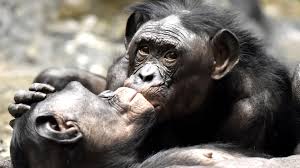
One of the key findings of the study was that kissing is not unique to humans, but is also practiced by other species, including monkeys, apes, and even some species of birds. For example, some species of monkeys, such as the bonobo, are known to engage in kissing-like behavior, including mouth-to-mouth contact and tongue kissing. Similarly, some species of birds, such as the albatross, are known to engage in kissing-like behavior, including beak-to-beak contact.
The researchers also found that kissing is not just a simple behavior, but is actually a complex behavior that involves multiple senses, including touch, taste, and smell. When we kiss, our brains release a combination of chemicals, including oxytocin, dopamine, and serotonin, which stimulate feelings of pleasure, relaxation, and bonding. This is why kissing can be such a powerful way of showing affection and intimacy, and why it is often used as a way of strengthening social bonds and building relationships.
In addition to its social and emotional benefits, kissing also has a number of physical health benefits. For example, kissing has been shown to reduce stress and anxiety, lower blood pressure, and boost the immune system. It has also been shown to release endorphins, which are natural painkillers that can help to reduce pain and discomfort. This is why kissing is often used as a way of comforting and soothing others, particularly in times of stress or illness.
Despite its many benefits, kissing is not without its risks. For example, kissing can transmit diseases, such as cold sores and mononucleosis, and can also spread bacteria and other microorganisms. This is why it is often recommended to avoid kissing others when we are sick, and to practice good hygiene, such as washing our hands and face regularly. However, for most people, the benefits of kissing far outweigh the risks, and it remains a popular and enjoyable behavior that is practiced by people all around the world.
The study's findings have significant implications for our understanding of human evolution and behavior. For example, the fact that kissing is not unique to humans, but is also practiced by other species, suggests that it may be an evolutionary adaptation that has been conserved across species. This could have implications for our understanding of the evolution of social behavior, and could provide insights into the origins of other human behaviors, such as language and culture.
Furthermore, the study's findings could also have implications for our understanding of human relationships and bonding. For example, the fact that kissing is a complex behavior that involves multiple senses and chemical signals suggests that it may play a key role in the formation and maintenance of social bonds. This could have implications for our understanding of attachment and intimacy, and could provide insights into the ways in which we can strengthen and maintain our relationships with others.
In conclusion, the study's findings provide a fascinating glimpse into the evolutionary history of kissing, and highlight the complexity and importance of this behavior in human relationships. Whether we are kissing a romantic partner, a family member, or a friend, kissing is a powerful way of showing affection and intimacy, and is an essential part of human social behavior. As we continue to learn more about the origins and functions of kissing, we may gain a deeper understanding of the complex and multifaceted nature of human relationships, and the ways in which we can nurture and strengthen our bonds with others.
The history of kissing is a long and complex one, and it is likely that we will continue to learn more about this behavior in the years to come. For example, future studies could investigate the neural mechanisms underlying kissing, or explore the cultural and social factors that influence kissing behaviors. Additionally, researchers could investigate the role of kissing in non-human species, such as primates and birds, to gain a deeper understanding of the evolutionary origins of this behavior.
One of the most interesting aspects of kissing is its cultural and social significance. In many cultures, kissing is a way of greeting or saying goodbye, and is often used as a way of showing respect or affection. For example, in some European cultures, it is common to kiss twice, once on each cheek, as a way of greeting or farewell. In other cultures, kissing is a more intimate behavior, and is often reserved for romantic partners or close family members.
Despite these cultural and social differences, kissing is a universal human behavior that is practiced by people all around the world. Whether we are kissing a romantic partner, a family member, or a friend, kissing is a powerful way of showing affection and intimacy, and is an essential part of human social behavior. As we continue to learn more about the origins and functions of kissing, we may gain a deeper understanding of the complex and multifaceted nature of human relationships, and the ways in which we can nurture and strengthen our bonds with others.
In addition to its cultural and social significance, kissing also has a number of physical and emotional benefits. For example, kissing has been shown to reduce stress and anxiety, lower blood pressure, and boost the immune system. It has also been shown to release endorphins, which are natural painkillers that can help to reduce pain and discomfort. This is why kissing is often used as a way of comforting and soothing others, particularly in times of stress or illness.
Furthermore, kissing has also been shown to have a number of cognitive benefits, including improved memory and concentration. For example, one study found that kissing can improve memory and cognitive function in older adults, by increasing blood flow to the brain and releasing chemicals that promote neural activity. This is why kissing is often recommended as a way of improving cognitive function and reducing the risk of age-related cognitive decline.
In conclusion, the study's findings provide a fascinating glimpse into the evolutionary history of kissing, and highlight the complexity and importance of this behavior in human relationships. Whether we are kissing a romantic partner, a family member, or a friend, kissing is a powerful way of showing affection and intimacy, and is an essential part of human social behavior. As we continue to learn more about the origins and functions of kissing, we may gain a deeper understanding of the complex and multifaceted nature of human relationships, and the ways in which we can nurture and strengthen our bonds with others.
The future of kissing research is likely to be exciting and dynamic, with many new discoveries and insights waiting to be uncovered. For example, future studies could investigate the role of kissing in non-human species, or explore the cultural and social factors that influence kissing behaviors. Additionally, researchers could investigate the neural mechanisms underlying kissing, or explore the cognitive and emotional benefits of this behavior.
One of the most interesting areas of future research is the study of kissing in non-human species. For example, researchers could investigate the kissing behaviors of primates, such as chimpanzees and bonobos, to gain a deeper understanding of the evolutionary origins of this behavior. Alternatively, researchers could study the kissing behaviors of birds, such as albatrosses and penguins, to explore the role of kissing in mate choice and pair bonding.
Another area of future research is the study of the neural mechanisms underlying kissing. For example, researchers could use functional magnetic resonance imaging (fMRI) or electroencephalography (EEG) to investigate the brain regions and neural networks involved in kissing. This could provide valuable insights into the cognitive and emotional processes that underlie kissing, and could help to explain why kissing is such a powerful and pleasurable behavior.
In addition to its scientific significance, the study of kissing also has a number of practical applications. For example, kissing is often used as a way of comforting and soothing others, particularly in times of stress or illness. This is why kissing is often recommended as a way of improving mental and emotional well-being, and reducing the risk of anxiety and depression.
Furthermore, the study of kissing could also have implications for the development of new treatments and therapies for a range of conditions, including anxiety and depression. For example, researchers could investigate the use of kissing as a form of therapy, or explore the development of new treatments that mimic the chemical signals and neural mechanisms underlying kissing. This could provide new hope for individuals suffering from mental health conditions, and could help to improve our understanding of the complex and multifaceted nature of human relationships.
In conclusion, the study of kissing is a fascinating and dynamic area of research, with many new discoveries and insights waiting to be uncovered. Whether we are investigating the evolutionary history of kissing, the neural mechanisms underlying this behavior, or the practical applications of kissing, this behavior remains a powerful and essential part of human social behavior. As we continue to learn more about the origins and functions of kissing, we may gain a deeper understanding of the complex and multifaceted nature of human relationships, and the ways in which we can nurture and strengthen our bonds with others.
The importance of kissing in human relationships cannot be overstated. Whether we are kissing a romantic partner, a family member, or a friend, kissing is a powerful way of showing affection and intimacy, and is an essential part of human social behavior. As we continue to learn more about the origins and functions of kissing, we may gain a deeper understanding of the complex and multifaceted nature of human relationships, and the ways in which we can nurture and strengthen our bonds with others.
In the end, the study of kissing is a reminder of the complexity and beauty of human relationships. Whether we are investigating the evolutionary history of kissing, the neural mechanisms underlying this behavior, or the practical applications of kissing, this behavior remains a powerful and essential part of human social behavior. As we continue to learn more about the origins and functions of kissing, we may gain a deeper understanding of the complex and multifaceted nature of human relationships, and the ways in which we can nurture and strengthen our bonds with others.
As we look to the future, it is clear that the study of kissing will continue to be an exciting and dynamic area of research. With many new discoveries and insights waiting to be uncovered, we may gain a deeper understanding of the complex and multifaceted nature of human relationships, and the ways in which we can nurture and strengthen our bonds with others. Whether we are investigating the evolutionary history of kissing, the neural mechanisms underlying this behavior, or the practical applications of kissing, this behavior remains a powerful and essential part of human social behavior.
In the years to come, we can expect to see many new and exciting developments in the field of kissing research. For example, researchers may investigate the role of kissing in non-human species, or explore the cultural and social factors that influence kissing behaviors. Additionally, researchers may investigate the neural mechanisms underlying kissing, or explore the cognitive and emotional benefits of this behavior.
One of the most exciting areas of future research is the study of kissing in non-human species. For example, researchers could investigate the kissing behaviors of primates, such as chimpanzees and bonobos, to gain a deeper understanding of the evolutionary origins of this behavior. Alternatively, researchers could study the kissing behaviors of birds, such as albatrosses and penguins, to explore the role of kissing in mate choice and pair bonding.
Another area of future research is the study of the neural mechanisms underlying kissing. For example, researchers could use functional magnetic resonance imaging (fMRI) or electroencephalography (EEG) to investigate the brain regions and neural networks involved in kissing. This could provide valuable insights into the cognitive and emotional processes that underlie kissing, and could help to explain why kissing is such a powerful and pleasurable behavior.
As we continue to learn more about the origins and functions of kissing, we may gain a deeper understanding of the complex and multifaceted nature of human relationships, and the ways in which we can nurture and strengthen our bonds with others. Whether we are investigating the evolutionary history of kissing, the neural mechanisms underlying this behavior, or the practical applications of kissing, this behavior remains a powerful and essential part of human social behavior.
Categories:




Please log in to leave a comment.
Comments 0
Loading comments...
No comments yet. Be the first to comment!