

- BYTatiana Dmitri - 20 Nov, 2025
- 13 Mins Read
- 5 views



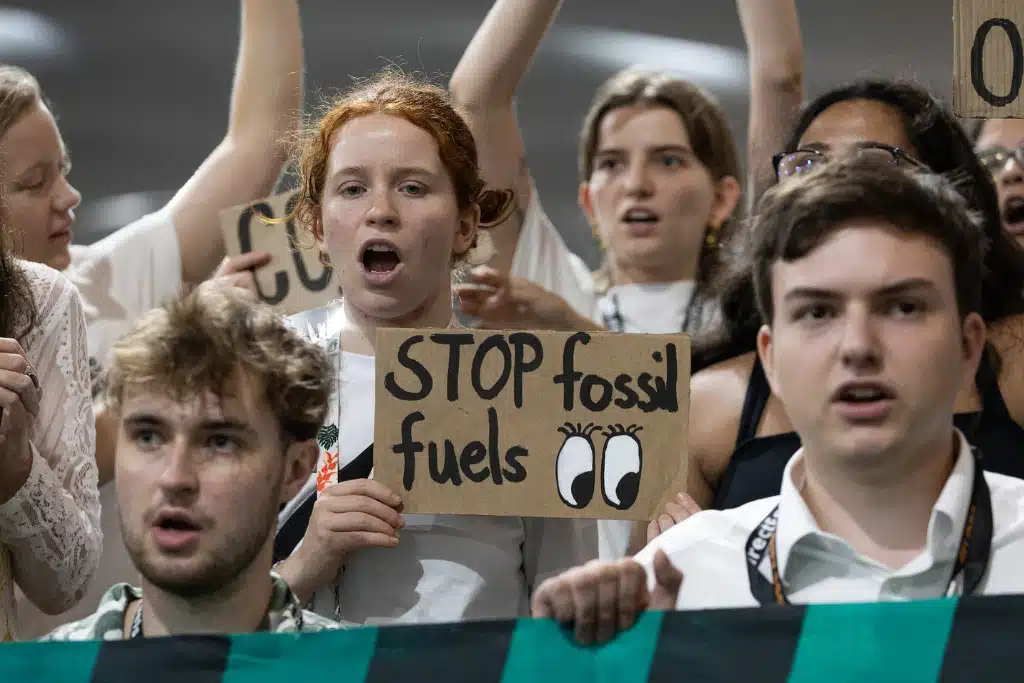
The recent climate summit saw a significant development as 82 countries, representing a mix of Global North and Global South nations, united in their call to abandon fossil fuels. This move is seen as a crucial step towards mitigating climate change, which has been increasingly recognized as a global threat. The coalition's stance is backed by scientific evidence and the urgent need for collective action to reduce greenhouse gas emissions. U.K. Energy Secretary Ed Miliband emphasized the importance of this unified voice, stating that the issue of climate change cannot be ignored.
The call to abandon fossil fuels is not new, but the scale of international support it has garnered is unprecedented. Historically, the transition to renewable energy sources has been slow due to economic and political factors. However, as the consequences of climate change become more apparent, there is a growing recognition of the need for swift and decisive action. The coalition of 82 countries is a significant milestone in this journey, demonstrating that there is a broad consensus on the need to move away from fossil fuels. This consensus is crucial for implementing policies and practices that support sustainable energy production and consumption.

Expert analysis suggests that the transition to renewable energy sources, such as solar and wind power, is not only necessary but also economically viable. The cost of renewable energy technologies has decreased dramatically over the past decade, making them more competitive with fossil fuels. Moreover, the job creation potential in the renewable energy sector is substantial, offering opportunities for economic growth and development. According to the International Renewable Energy Agency (IRENA), the renewable energy sector could support up to 24 million jobs globally by 2030, up from 11 million in 2018.
Despite the economic and environmental benefits, the transition to a fossil fuel-free economy faces several challenges. One of the main hurdles is the existing infrastructure, which is largely based on fossil fuels. The shift to renewable energy requires significant investments in new technologies and infrastructure, including smart grids, energy storage systems, and electric vehicle charging stations. Furthermore, there is a need for policies and regulations that support the transition, such as carbon pricing, tax incentives for renewable energy investments, and standards for energy efficiency.
The role of governments in facilitating this transition is critical. Governments can create an enabling environment through policy measures, investments in infrastructure, and public awareness campaigns. They can also play a key role in supporting research and development in renewable energy technologies, improving their efficiency and reducing costs. The commitment of the 82 countries to abandon fossil fuels is a significant step in this direction, as it sends a strong signal to investors, industries, and civil society about the direction of travel.
The impact of climate change is already being felt across the globe, from more frequent natural disasters to changes in weather patterns. The World Health Organization (WHO) estimates that between 2030 and 2050, climate change will cause approximately 250,000 additional deaths per year, mainly due to malnutrition, malaria, diarrhea, and heat stress. The economic impacts are also significant, with the International Monetary Fund (IMF) suggesting that climate change could reduce global GDP by up to 7% by 2100 if left unchecked.
In conclusion, the call by 82 countries to abandon fossil fuels is a landmark moment in the global effort to combat climate change. It reflects a growing recognition of the urgent need for action and the potential for collective leadership to drive change. As the world moves forward, it will be important to build on this momentum, leveraging the power of international cooperation, technological innovation, and policy support to create a sustainable, fossil fuel-free future.
The future implications of this coalition's efforts are far-reaching. A successful transition to renewable energy could not only mitigate the worst effects of climate change but also open up new avenues for economic development and job creation. It could also lead to improved public health, as air and water pollution from fossil fuels are significantly reduced. However, achieving this vision will require sustained commitment and cooperation among governments, industries, and civil society. It will also necessitate continuous innovation in technologies and policies to address the challenges that arise during the transition.
Real-world applications of renewable energy are already being seen in various parts of the world. Countries like Costa Rica and Norway have made significant strides in transitioning to renewable energy, with Costa Rica aiming to be carbon-neutral by 2050. Cities like Copenhagen and Vancouver are also leading the way, with ambitious plans to become carbon neutral in the coming decades. These examples demonstrate that the transition to a fossil fuel-free economy is not only necessary but also feasible with the right policies, technologies, and mindset.
Statistics and data support the urgency and potential of the transition to renewable energy. According to the United Nations, renewable energy accounted for 36% of global power generation in 2020, up from 22% in 2010. The same report notes that solar and wind energy have become increasingly competitive with fossil fuels, with the cost of solar energy dropping by 73% over the last decade. These trends indicate a significant shift towards renewable energy, driven by both economic and environmental considerations.
Despite these positive trends, there are still significant challenges to overcome. The production and use of fossil fuels are deeply entrenched in many economies, and the transition to renewable energy will require substantial investments and policy changes. Moreover, the geopolitical implications of the transition should not be underestimated, as countries that have historically relied on fossil fuel exports may face significant economic adjustments. Addressing these challenges will require international cooperation, strategic planning, and a commitment to supporting those most affected by the transition.
In the context of the 82-country coalition's call to abandon fossil fuels, it is clear that the world is at a critical juncture. The decision to move away from fossil fuels is not just an environmental imperative but also an economic and social one. As countries navigate this transition, they must balance the need for immediate action with the requirement for sustainable and equitable development. This will involve supporting industries and workers that are impacted by the transition, investing in new technologies and infrastructure, and ensuring that the benefits of the transition are shared by all.
The coalition's effort also highlights the importance of international cooperation in addressing global challenges. Climate change is a quintessential global problem, requiring a global response. The commitment of 82 countries to abandon fossil fuels demonstrates that, despite political and economic differences, nations can come together to address common challenges. This cooperation is essential for developing and implementing the policies, technologies, and practices needed to mitigate climate change and ensure a sustainable future for all.
Looking ahead, the success of the transition to renewable energy will depend on several factors, including technological innovation, policy support, and public engagement. Continuous advances in renewable energy technologies are crucial for improving efficiency and reducing costs. Policies such as carbon pricing, tax incentives, and renewable portfolio standards can provide the necessary framework for investments in renewable energy. Public awareness and engagement are also vital, as they can build support for the transition and encourage individual actions that contribute to a low-carbon economy.
Furthermore, the role of education and training should not be underestimated. As the energy sector transitions, there will be a need for workers with skills in renewable energy technologies, energy efficiency, and sustainability. Educational institutions and training programs will play a critical role in equipping the workforce with the necessary skills to support the transition. This includes not only technical skills but also awareness of the environmental, social, and economic implications of the transition.
In addition to the direct benefits of transitioning to renewable energy, there are also significant opportunities for innovation and entrepreneurship. The development of new technologies and business models in the renewable energy sector can drive economic growth and create new job opportunities. Start-ups and small businesses are already playing a crucial role in this space, from developing community solar programs to creating energy-efficient smart home devices. Supporting these innovations through funding, regulatory frameworks, and public-private partnerships can accelerate the transition and make it more inclusive.
The commitment of 82 countries to abandon fossil fuels is a powerful statement of intent, but it is only the beginning. The journey to a fossil fuel-free economy will be long and challenging, requiring sustained effort and cooperation. However, with the right combination of technological innovation, policy support, and international cooperation, it is possible to create a future where energy is clean, sustainable, and accessible to all. This future is not just a necessity for mitigating climate change but also an opportunity for economic development, improved public health, and enhanced global security.
Ultimately, the success of the transition will be measured not just by the reduction in greenhouse gas emissions but also by the creation of a more equitable and sustainable world. It will require addressing the disparities in energy access and affordability, ensuring that the benefits of the transition are shared by all, and supporting those who are most vulnerable to the impacts of climate change. By working together and leveraging the power of renewable energy, the world can build a brighter, more sustainable future for generations to come.
The story of the 82-country coalition's call to abandon fossil fuels serves as a reminder of the power of collective action and international cooperation. In the face of global challenges, unity and determination can lead to significant advancements. As the world continues on the path towards a renewable energy future, it is essential to maintain this momentum, fostering a global community that is committed to sustainability, equity, and the well-being of the planet.
In the years to come, the impact of this coalition's efforts will be closely watched. The transition to a fossil fuel-free economy is a complex and challenging process, but with the right approach, it can also be a transformative opportunity. By learning from successes and setbacks, and by continuing to innovate and cooperate, the world can move closer to a future where energy is no longer a source of pollution and conflict but a foundation for peace, prosperity, and sustainability.
As the world embarks on this journey, it is important to recognize the historical context of the transition. The use of fossil fuels has been a cornerstone of economic development for centuries, but it has also come at a significant environmental cost. The shift to renewable energy is not just a response to climate change but also a chance to redefine the relationship between energy, economy, and environment. By choosing a path that is sustainable, equitable, and just, the world can create a future that is worthy of its highest aspirations.
The economic benefits of the transition to renewable energy are also noteworthy. A study by the International Labor Organization (ILO) found that the green economy could create 24 million new jobs globally by 2030. Moreover, the reduction in air pollution from fossil fuels could save up to 3 million lives annually, according to the World Health Organization (WHO). These figures underscore the potential of the transition to not only mitigate climate change but also to improve public health and support economic development.
However, the transition is not without its challenges. The fossil fuel industry is a significant contributor to many economies, and the shift to renewable energy will require careful management to minimize economic disruption. This includes supporting workers in the fossil fuel sector to transition to new roles, investing in education and training programs, and implementing policies that encourage the development of new industries and jobs. The experience of countries like Germany, which has implemented a comprehensive program to support the transition of its coal workers, offers valuable lessons in this regard.
In conclusion, the call by 82 countries to abandon fossil fuels marks a significant moment in the global effort to address climate change. It reflects a growing recognition of the need for urgent action and the potential for collective leadership to drive change. As the world moves forward, it will be essential to build on this momentum, leveraging the power of international cooperation, technological innovation, and policy support to create a sustainable, fossil fuel-free future. The journey will be challenging, but with determination, cooperation, and a commitment to sustainability, the world can overcome the obstacles and achieve a brighter future for all.
The story of the transition to renewable energy is one of hope and transformation. It is a testament to human ingenuity, international cooperation, and the determination to create a better world. As the world continues on this path, it is crucial to remember the importance of collective action, the power of innovation, and the need for sustained commitment. By working together and supporting one another, the world can achieve the vision of a fossil fuel-free economy, where energy is clean, sustainable, and accessible to all.
In the end, the success of the transition to renewable energy will depend on the ability of the global community to come together and support a common goal. It will require the efforts of governments, industries, civil society, and individuals, each playing their part in driving the transition forward. The call by 82 countries to abandon fossil fuels is a powerful call to action, and it is up to the world to respond with the urgency, creativity, and cooperation needed to create a sustainable future for all. By doing so, the world can ensure that the transition to renewable energy is not just a necessity but also an opportunity for growth, development, and a better world for generations to come.
As the world looks to the future, it is clear that the transition to renewable energy is not just a environmental imperative but also an economic and social one. The benefits of the transition, from job creation to improved public health, are numerous and significant. However, the challenges should not be underestimated, from the need for significant investments in new technologies and infrastructure to the requirement for careful management of the transition to minimize economic disruption. By addressing these challenges and leveraging the opportunities, the world can create a future that is sustainable, equitable, and just for all.
The commitment of 82 countries to abandon fossil fuels is a landmark moment in the global effort to combat climate change. It reflects a growing recognition of the urgent need for action and the potential for collective leadership to drive change. As the world moves forward, it will be essential to build on this momentum, leveraging the power of international cooperation, technological innovation, and policy support to create a sustainable, fossil fuel-free future. The journey will be long and challenging, but with determination, cooperation, and a commitment to sustainability, the world can overcome the obstacles and achieve a brighter future for all.
The future of the planet depends on the ability of the global community to come together and support a common goal. The call by 82 countries to abandon fossil fuels is a powerful call to action, and it is up to the world to respond with the urgency, creativity, and cooperation needed to create a sustainable future for all. By doing so, the world can ensure that the transition to renewable energy is not just a necessity but also an opportunity for growth, development, and a better world for generations to come. The time to act is now, and the world must rise to the challenge with unity, determination, and a commitment to a sustainable future.
Categories:



Historical Research

Please log in to leave a comment.
Comments 0
Loading comments...
No comments yet. Be the first to comment!