

- BYAlina Harold - 20 Nov, 2025
- 9 Mins Read
- 12 views



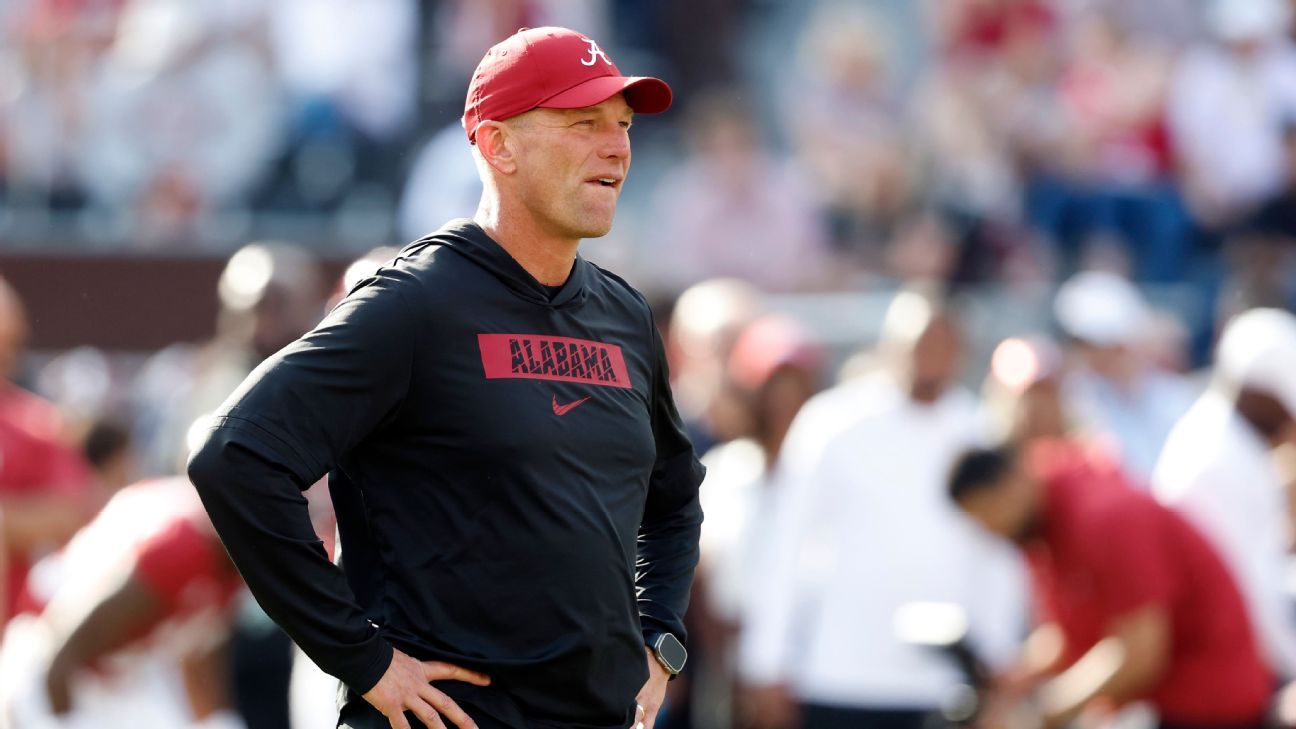
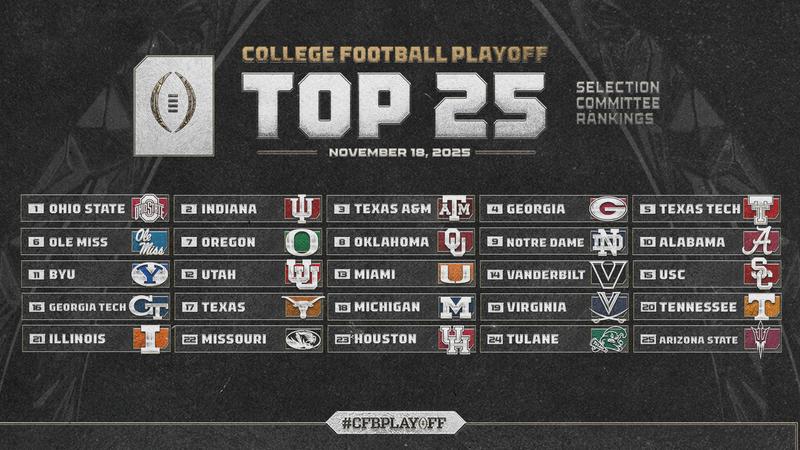
The college football world erupted in controversy this week as the selection committee unveiled their Week 13 playoff rankings, delivering what many consider the most egregious slight in recent memory. Alabama, the perennial powerhouse that has dominated the sport for over a decade, found themselves shockingly positioned behind Notre Dame, a decision that has sent shockwaves through the entire Southeastern Conference. The Crimson Tide's placement at seventh in the rankings, trailing the Fighting Irish who sit at sixth, represents more than just a simple numerical difference—it symbolizes what many believe to be a fundamental misunderstanding of what truly constitutes playoff-worthy performance.
This ranking controversy illuminates deeper issues within college football's selection process, where the line between objective analysis and subjective interpretation becomes increasingly blurred. Alabama's case for a higher ranking extends far beyond simple win-loss records, delving into the realm of strength of schedule, quality victories, and the eye test that coaches and analysts have relied upon for generations. The Crimson Tide's resume showcases victories over ranked opponents, including a dominant performance against Georgia earlier in the season, while Notre Dame's path to their current position lacks the same caliber of signature wins that typically define playoff contenders.
The historical context of Alabama's playoff pedigree adds another layer of frustration for the Crimson Tide faithful. Since the inception of the College Football Playoff system, Alabama has established themselves as the gold standard, appearing in more playoff games than any other program in the nation. Their track record of success under Coach Nick Saban's leadership has created an expectation of excellence that transcends mere wins and losses. The program's ability to perform on the biggest stage, evidenced by their multiple national championships, suggests that their placement behind a team with less impressive credentials represents both a statistical anomaly and a potential oversight in the committee's evaluation process.
When examining the metrics that matter most in playoff selection, Alabama's statistical profile paints a picture of a team that has consistently risen to meet challenges throughout their schedule. Their offensive efficiency ratings place them among the nation's elite, while their defensive metrics showcase the type of balanced team composition that has historically translated to playoff success. The Crimson Tide's ability to dominate in the trenches, control time of possession, and execute in crucial moments demonstrates the championship mettle that the selection committee claims to prioritize. These factors, combined with their performance against common opponents with other playoff contenders, create a compelling narrative that Alabama deserves consideration among the top four teams in the nation.
The Notre Dame comparison becomes particularly galling when analyzing the two teams' paths to their current positions. While the Fighting Irish have compiled an impressive record, their victories lack the same quality of opposition that Alabama has faced throughout their schedule. The strength of schedule differential between the SEC and the ACC, where Notre Dame primarily competes, creates a significant disparity that the committee appears to have minimized in their evaluation process. Alabama's victories over ranked opponents, combined with their performance in one of the nation's most challenging conferences, traditionally carries more weight than Notre Dame's achievements against generally weaker competition.

Expert analysis from former coaches and players has largely sided with Alabama's position, citing the intangible factors that separate championship-caliber teams from merely good ones. The psychological advantage that comes from competing in the SEC, where every game represents a potential upset opportunity, prepares teams for the pressure cooker environment of the playoff format. This experience, honed through years of competing against the nation's best talent, provides Alabama with a competitive edge that cannot be measured through traditional statistics alone.
The implications of this ranking extend far beyond simple bragging rights or conference pride. A playoff berth represents millions of dollars in revenue for the participating schools, increased exposure for recruiting purposes, and the opportunity to compete for college football's ultimate prize. For Alabama, missing the playoff would represent not just a lost opportunity for this year's team, but potentially a shift in the balance of power that has defined the sport for over a decade. The recruiting advantages that come from consistent playoff appearances cannot be understated, as top high school prospects increasingly factor in a program's ability to compete for championships when making their college decisions.
Historical precedent suggests that committees have occasionally favored style points and conference championships over pure statistical analysis, but Alabama's case challenges this conventional wisdom. Their dominance in the SEC, combined with their head-to-head victory over Georgia, creates a scenario where traditional metrics fail to capture the complete picture of their season. The committee's apparent willingness to overlook Alabama's signature wins while emphasizing Notre Dame's victories against lesser competition sets a concerning precedent for future selection processes.
The timing of this controversy adds another layer of complexity to an already contentious situation. With only two weeks remaining in the regular season, the margin for error has effectively disappeared for several playoff contenders. Alabama must now navigate their remaining games with the knowledge that any stumble could eliminate them from playoff consideration entirely, while Notre Dame can essentially coast to the finish line knowing their position appears secure. This disparity in pressure creates an uneven playing field that many argue undermines the competitive integrity of the selection process.
Looking ahead to the remaining games on Alabama's schedule, the path to playoff inclusion requires both on-field excellence and potential help from other results across the country. The Crimson Tide must win their remaining games convincingly while also benefiting from losses from teams currently ranked ahead of them. This combination of factors creates a scenario where Alabama's playoff fate lies partially outside their control, a position that championship-caliber programs typically avoid through superior regular season performance.
The broader implications of this ranking controversy extend to the future of college football's selection process itself. Critics argue that the current system places too much emphasis on conference affiliation and not enough on comprehensive evaluation of team quality. The Alabama-Notre Dame debate exemplifies this tension, where a team from college football's premier conference finds themselves behind a program that has historically struggled to compete against elite competition. This dynamic threatens to undermine the legitimacy of the playoff system if perception continues to favor certain programs over others regardless of on-field performance.
Coaching perspectives on this controversy have varied, with some defending the committee's right to interpret criteria subjectively while others argue for more transparent evaluation standards. The subjective nature of playoff selection will always generate debate, but the Alabama-Notre Dame comparison represents a particularly egregious example where objective analysis appears to contradict the committee's conclusion. This disconnect between data-driven evaluation and human judgment highlights the ongoing challenge facing college football as it attempts to balance tradition with modern analytical approaches.
The fan response to these rankings has been predictably passionate, with Alabama supporters flooding social media platforms with statistics, video evidence, and historical comparisons supporting their team's case. This digital activism reflects the deep connection between college football programs and their communities, where playoff appearances represent more than just athletic achievement—they symbolize regional pride and institutional validation. The intensity of this reaction demonstrates how playoff selections have become cultural events that extend far beyond the boundaries of campus life.
From a recruiting standpoint, Alabama's current predicament could have lasting implications for their ability to attract top talent in future cycles. While the program's historical success provides significant momentum, the perception that the selection committee may be biased against SEC programs could influence how prospects evaluate their options. The connection between playoff appearances and professional development opportunities creates a direct link between team success and individual career advancement, making these rankings more than mere academic exercises.
The economic impact of playoff selection extends throughout college football's ecosystem, affecting everything from television contracts to merchandise sales. Alabama's large national following translates to significant viewership numbers, making their potential exclusion from the playoff a matter of financial concern for media partners and advertisers. This economic dimension adds pressure to selection committee members who must balance competitive fairness with the practical realities of modern sports entertainment.
As the regular season enters its final weeks, the Alabama-Notre Dame ranking controversy serves as a microcosm of larger debates about fairness, merit, and the role of subjectivity in competitive sports. The Crimson Tide's supporters will continue to advocate for their team's inclusion among college football's elite, citing historical precedent, statistical analysis, and the fundamental principles of competitive fairness. Whether the committee will reconsider their evaluation or maintain their current stance remains to be seen, but this controversy has already secured its place among the most contentious playoff selection debates in recent memory.
The legacy of this ranking decision will likely influence how future committees approach their evaluation process, potentially leading to more transparent criteria or revised weighting of various factors. For Alabama, the immediate focus remains on controlling what they can control—winning their remaining games in convincing fashion while hoping for help from other results across the college football landscape. The Crimson Tide's playoff hopes may hang in the balance, but their case for inclusion among the nation's top four teams remains compelling regardless of the committee's current assessment.
Ultimately, the Week 13 rankings represent more than a simple numerical ordering of college football's best teams—they reflect the ongoing evolution of how we evaluate excellence in competitive sports. Alabama's position behind Notre Dame challenges conventional wisdom about strength of schedule, conference affiliation, and the factors that truly define championship-caliber programs. As the debate continues to rage across college football's landscape, one thing remains certain: the Crimson Tide's case for playoff inclusion will continue to generate discussion, analysis, and passionate advocacy from those who believe that excellence should be rewarded regardless of preconceived notions or traditional biases.
Categories:




Please log in to leave a comment.
Comments 0
Loading comments...
No comments yet. Be the first to comment!