

- BYEmmanuel Badmus - 20 Nov, 2025
- 10 Mins Read
- 4 views



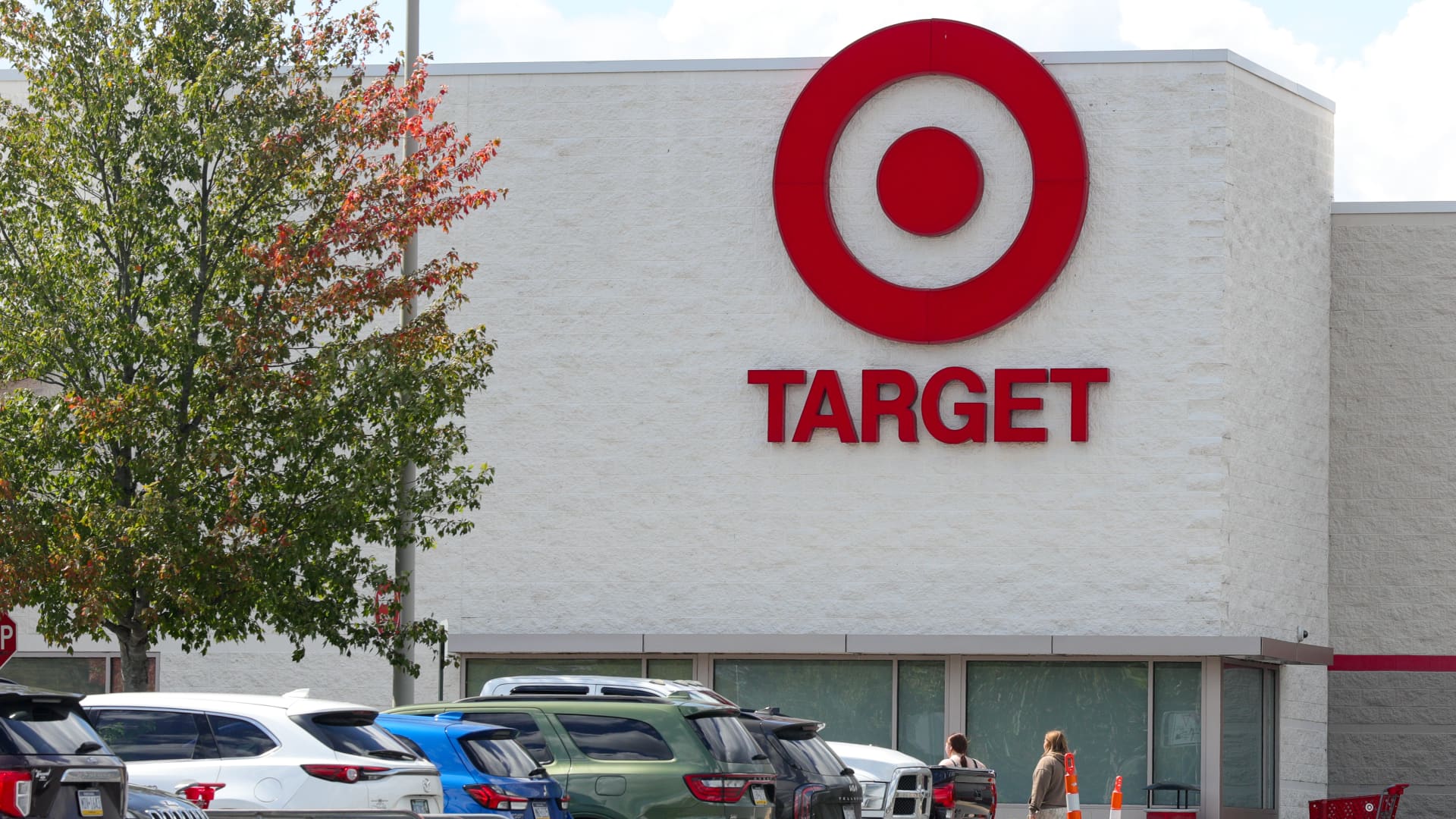
On November 19, 2025, the retail world will hold its breath as Target Corporation (TGT) releases its third-quarter earnings report—a critical financial milestone that could determine the company’s trajectory for the all-important holiday shopping season. With a four-year sales slump hanging over the brand and a new CEO at the helm, the results will serve as both a snapshot of current operations and a barometer for future success in an increasingly competitive retail landscape.
Target’s struggles are emblematic of broader challenges in modern retail. Since 2021, the company has seen its sales growth stagnate, with same-store sales declining by 1.2% in Q2 2025 alone. This decline comes despite significant investments in store renovations, technology upgrades, and digital commerce. The root causes are multifaceted: shifting consumer preferences toward online shopping, aggressive competition from Amazon and Walmart, and supply chain disruptions that have plagued the retail sector since the pandemic. Now, with the holiday season—a period that accounts for roughly 30% of annual retail sales—approaching, Target must demonstrate that it has the strategies in place to regain market share.
At the heart of Target’s transformation is its newly appointed CEO, John P. Smith, who took the helm in June 2025 after a 20-year career at Walmart. Smith’s arrival signals a strategic pivot toward operational efficiency and customer-centric innovation. In a recent investor call, he outlined his four-point plan: accelerating digital transformation, expanding private-label brands, optimizing store formats, and enhancing supply chain agility. Analysts are particularly interested in how the company will balance these initiatives with maintaining profitability, especially as labor costs rise and inflation continues to impact consumer spending.
The holiday season represents both a challenge and an opportunity for Target. With Thanksgiving, Black Friday, and Cyber Week driving massive retail traffic, the company has launched several initiatives to capture shoppers’ attention. These include exclusive product partnerships with popular brands like Nike and LEGO, expanded same-day delivery options, and a revamped in-store experience featuring immersive pop-up displays. However, competitors like Walmart and Amazon are also ramping up their holiday campaigns, offering aggressive discounts and free shipping deals. Target’s ability to differentiate itself through curated product selections and experiential shopping will be critical.
Wall Street’s expectations for Target’s Q3 earnings are mixed. Analysts surveyed by Bloomberg predict revenue of $28.5 billion and earnings per share (EPS) of $1.92. These figures would represent a 1.5% increase in revenue from the same quarter in 2024 but a 7% decline in EPS. The key metric investors will scrutinize is same-store sales, which are expected to grow by 0.8% quarter-over-quarter. If Target can exceed these projections, it may signal progress in reversing its sales decline. Conversely, missing estimates could trigger a sell-off in its stock, which has already lost 15% of its value year-to-date.

Behind the numbers lies a complex web of operational challenges. Target’s supply chain, which has been a source of frustration for both customers and investors, remains a focal point. In Q2 2025, the company faced delays in delivering seasonal products due to port congestion and labor strikes. To mitigate these risks, Target has begun working with smaller regional suppliers and increasing inventory of fast-moving items. However, this strategy comes with higher costs, which could pressure gross margins. Additionally, the company’s investment in automation, including AI-driven inventory management systems, is still in early stages and may not yield immediate results.
The role of Target’s private-label brands cannot be overstated in its strategy to attract price-sensitive consumers. Brands like House of Twins and Threshold have consistently outperformed national brands in terms of profitability and customer loyalty. In Q2 2025, private-label sales grew by 4.2%, driven by strong performance in home goods and apparel. By expanding these lines and leveraging data analytics to tailor product offerings, Target aims to create a more compelling value proposition for shoppers. However, this strategy requires significant R&D investment and carries the risk of brand confusion if not executed carefully.
The digital commerce segment presents another critical battleground. Target’s online sales grew by 12% in Q2 2025, but this pales in comparison to Amazon’s 25% growth. The company has invested heavily in improving its website and mobile app, introducing features like augmented reality (AR) for furniture visualization and personalized shopping recommendations. Yet, scaling these digital efforts across 3,500 stores and 850 distribution centers is a logistical nightmare. Analysts at JMP Securities note that Target’s “last-mile delivery” challenges—getting products to customers quickly and efficiently—remain a significant bottleneck in its e-commerce growth.
Employee engagement is another area where Target faces headwinds. In June 2025, the company announced a 10% raise for hourly workers, a move designed to reduce turnover and improve customer service. While this is commendable from a corporate social responsibility standpoint, it adds $500 million annually to operating costs. With labor costs already accounting for 25% of total expenses, further wage increases could strain profitability. The company is also experimenting with flexible scheduling and cross-training programs to enhance operational efficiency, but the long-term impact of these initiatives is yet to be seen.
Looking at the broader industry context, Target operates in a retail ecosystem undergoing profound changes. E-commerce now accounts for 18% of total retail sales, up from 10% in 2020, and consumers expect seamless omnichannel experiences. Competitors like Walmart are investing in drone deliveries, while Costco is leveraging its membership model to build a robust online grocery business. Target’s response to these innovations will determine its ability to remain relevant in the coming decade. As Deloitte’s 2025 Retail Trends report states, “The next era of retail will belong to companies that can master the intersection of physical and digital experiences at scale.”
The new CEO’s leadership style could also play a pivotal role in Target’s turnaround. John P. Smith is known for his data-driven approach, having implemented predictive analytics tools at Walmart to optimize inventory levels. Early reports suggest he is pushing for a culture of experimentation, encouraging store managers to test new concepts like pop-up art installations and co-branded cafes. While these initiatives may seem unconventional, they align with the growing trend of experiential retail, where stores are designed not just for transactions but for creating memorable interactions. However, critics argue that such experimentation could lead to inconsistent customer experiences and higher operational costs.
Financial analysts are divided on the potential outcomes of the upcoming earnings report. Bears point to the company’s elevated debt load—$25 billion in long-term obligations—as a major risk. This debt, used to fund store renovations and technology investments, could become a liability if sales fail to recover. Bulls, on the other hand, highlight Target’s strong balance sheet, with $8 billion in cash and equivalents, and its diversified product portfolio, which spans groceries, apparel, and home goods. The key question is whether the company can achieve sustainable growth without relying on aggressive discounting, which has historically eroded profit margins.
Historically, Target has demonstrated resilience in the face of adversity. During the 2008 financial crisis, it outperformed rivals by doubling down on value-oriented products and suburban store expansions. Similarly, in the early 2010s, it successfully navigated the shift to mobile commerce by investing in mobile-friendly shopping tools. These precedents suggest that, with the right strategy, Target can overcome its current challenges. However, the pace of change in today’s retail environment is unprecedented, and past successes do not guarantee future results.
One potential silver lining for Target is its partnership with third-party sellers on its digital platform. By opening its ecosystem to independent vendors, the company has expanded its product offerings without the need for inventory investment. This model, similar to Amazon’s third-party marketplace, could help Target compete more effectively in niche categories like artisanal foods and handmade crafts. Early data shows that third-party sales grew by 30% in Q2 2025, a promising sign that the strategy is gaining traction.
Environmental, social, and governance (ESG) factors are also becoming increasingly relevant for Target. The company has committed to achieving net-zero carbon emissions by 2040 and using 100% renewable energy by 2030. While these goals are laudable, they require significant investment in solar panels, electric delivery vehicles, and sustainable sourcing practices. For example, Target’s “Sustainable Materials Innovation Lab” is developing biodegradable packaging for grocery products, but scaling these innovations to meet demand will take time and resources. ESG performance could become a double-edged sword, as consumers reward sustainability efforts while investors pressure the company to maintain short-term profitability.
Technology will be a linchpin in Target’s transformation. The company is deploying AI across multiple functions, from demand forecasting to personalized marketing. In Q2 2025, AI-driven promotions led to a 15% increase in conversion rates for seasonal items. However, the integration of these technologies is not without its challenges. Legacy systems, cybersecurity risks, and the need for employee upskilling all pose obstacles to a smooth transition. As Gartner notes in its 2025 Retail Tech Report, “AI adoption in retail is accelerating, but success depends on aligning technology investments with clear business objectives.”
The holiday season will also test Target’s ability to manage customer expectations. Shoppers are increasingly demanding convenience, with 60% expecting free or low-cost shipping, 50% prioritizing fast delivery, and 40% valuing personalized experiences. To meet these demands, Target has introduced a “Holiday Guarantee” promising free returns and price adjustments for 90 days after purchase. While this policy enhances customer satisfaction, it also increases operational complexity, as the company must balance the costs of returns with the benefits of customer loyalty.
Geographically, Target’s performance varies significantly. Urban stores in cities like New York and San Francisco have seen double-digit sales growth, driven by affluent customers willing to pay a premium for curated products. In contrast, rural stores in the Midwest have struggled with declining foot traffic, exacerbated by the rise of online shopping. To address this disparity, Target is experimenting with “store-in-store” formats, where smaller locations focus on high-demand categories like groceries and pharmacy. This approach could help the company optimize its real estate portfolio while better serving local communities.
Looking ahead, the next 12 months will be pivotal for Target’s evolution. If the Q3 earnings report shows signs of improvement—such as growing same-store sales, declining inventory costs, and increased digital adoption—the stock could see a rebound. Conversely, if results fall short of expectations, the company may face pressure from activist investors and need to accelerate its cost-cutting measures. Either way, the coming quarters will provide valuable insights into whether Target’s strategic initiatives are paying off and whether it can reestablish itself as a leader in the post-pandemic retail landscape.
The broader implications of Target’s success or failure extend beyond Wall Street. As one of the largest private-sector employers in the U.S., the company’s policies on wages, benefits, and workplace conditions set a benchmark for the industry. Additionally, its environmental commitments could influence the pace of sustainability adoption across the retail sector. In this sense, Target’s journey is not just about financial performance but about shaping the future of retail itself.
Categories:



Please log in to leave a comment.
Comments 0
Loading comments...
No comments yet. Be the first to comment!