

- BYYuki Haruto - 21 Nov, 2025
- 18 Mins Read
- 17 views



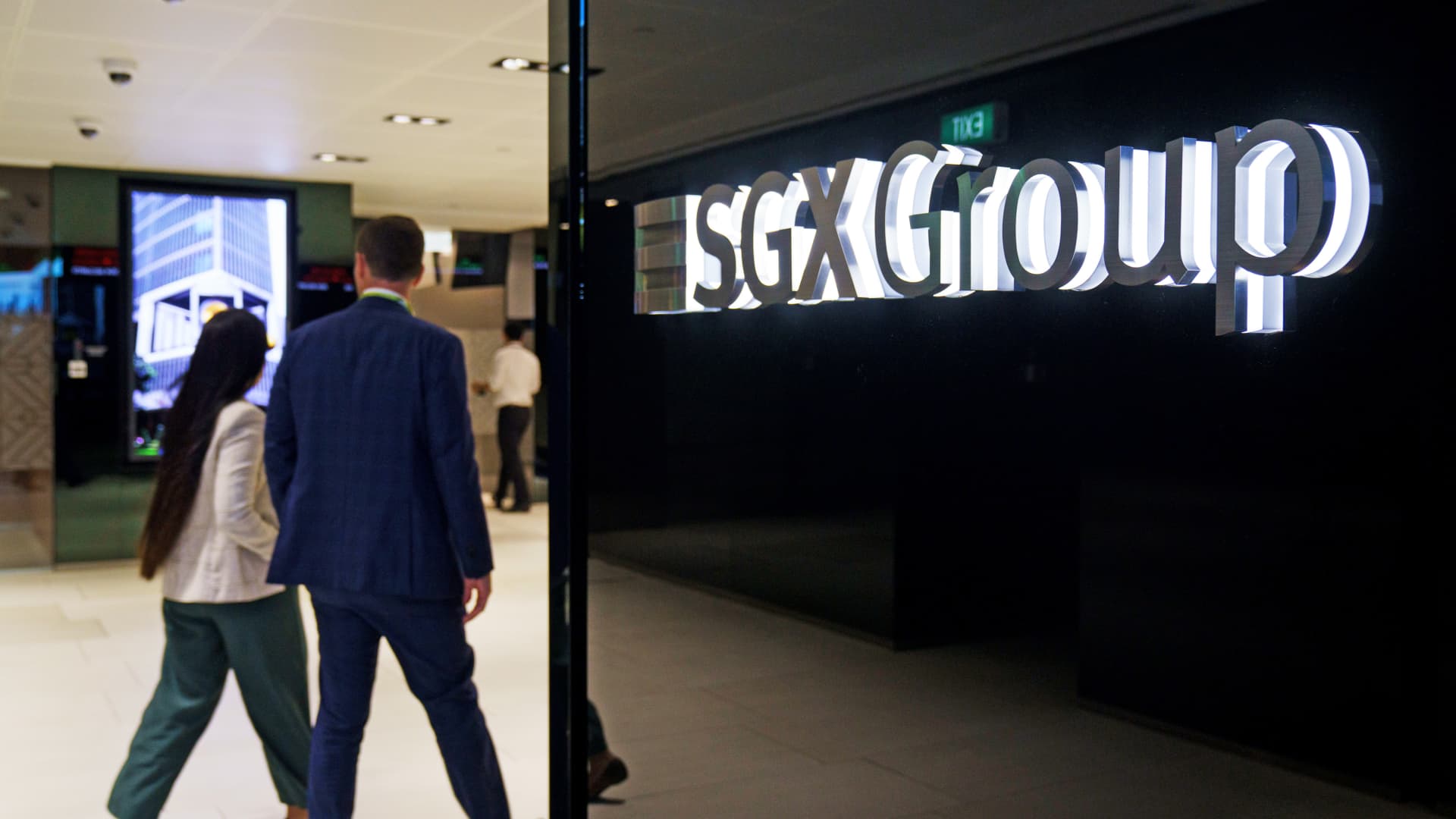
Singapore has long positioned itself as a gateway between East and West, leveraging its strategic location, robust legal framework, and investor‑friendly regulations to nurture a vibrant capital market ecosystem. In a bold move to reinforce this ambition, the Singapore Exchange (SGX) announced a strategic alliance with Nasdaq, the world’s leading technology‑driven stock exchange. The collaboration is designed to facilitate dual listings, allowing companies to simultaneously list on both SGX and Nasdaq, thereby expanding their investor base and enhancing visibility. Industry observers view the partnership as a pivotal step toward deepening Singapore’s market depth and diversifying its listings portfolio.
Dual‑listing arrangements are not novel; they have been employed by firms seeking to tap multiple capital pools while mitigating reliance on a single market. Historically, dual listings have been popular among European firms that list in both London and Frankfurt, or Asian conglomerates that maintain listings in Hong Kong and Tokyo. The SGX‑Nasdaq tie‑up, however, introduces a unique blend of Southeast Asian market access combined with the technological sophistication and global reach of Nasdaq. By merging SGX’s regional expertise with Nasdaq’s cutting‑edge trading infrastructure, issuers can benefit from streamlined compliance processes and cross‑border capital flows.
To understand the significance of this partnership, one must consider the broader context of Singapore’s financial evolution over the past two decades. Since the early 2000s, SGX has pursued a series of reforms, including the introduction of a “single‑window” listing platform and the liberalization of foreign ownership limits. These initiatives have attracted marquee listings from sectors such as biotechnology, fintech, and renewable energy. Yet, despite these successes, SGX has faced challenges in competing with larger exchanges that boast deeper liquidity pools and broader investor communities.
Nasdaq, on the other hand, has built its reputation on embracing innovation, from the early adoption of electronic trading to the development of sophisticated market data analytics. Its market model emphasizes transparency, speed, and accessibility, qualities that have drawn technology‑driven companies from Silicon Valley and beyond. By aligning with Nasdaq, SGX gains access to a suite of advanced tools, including real‑time data feeds, algorithmic trading capabilities, and a robust ecosystem of market makers. This technological infusion is expected to elevate the trading experience for investors on both sides of the partnership.

Experts from the International Monetary Fund have highlighted that dual‑listing frameworks can boost a country’s financial resilience by diversifying sources of capital. Dr. Elena Morales, a senior economist specializing in Asian markets, notes that “dual listings reduce the concentration risk for issuers and provide a hedge against regional market volatility.” She adds that the SGX‑Nasdaq collaboration could serve as a catalyst for new capital inflows, particularly from institutional investors seeking exposure to Southeast Asian growth stories. Moreover, the partnership aligns with Singapore’s broader ambition to become a “global hub for capital formation and innovation.”
From a regulatory standpoint, the partnership necessitates harmonization of listing standards, disclosure requirements, and corporate governance norms. Both SGX and Nasdaq have committed to establishing a joint task force to streamline the approval process, ensuring that issuers can navigate cross‑border compliance with minimal friction. This task force will also develop a unified set of reporting templates, reducing the administrative burden on companies that would otherwise need to prepare separate filings for each exchange. Such regulatory convergence is expected to accelerate the timeline from IPO to market debut, a crucial factor for fast‑moving tech firms.
One of the immediate beneficiaries of the dual‑listing model could be Singapore‑based fintech startups aiming to attract U.S. investors. These firms often face the dilemma of choosing between a local listing that offers regional credibility and a U.S. listing that provides access to deeper capital pools. With the SGX‑Nasdaq bridge, a fintech startup could list on SGX to leverage local market familiarity while simultaneously gaining Nasdaq’s exposure to venture capital and institutional investors in the United States. This dual presence could also enhance the firm’s brand perception, signaling both regional relevance and global ambition.
Data from the World Bank indicates that Southeast Asia’s GDP growth averaged 5.3% annually over the past five years, outpacing many mature economies. Such robust growth fuels demand for capital to finance infrastructure projects, digital transformation, and sustainable initiatives. The SGX‑Nasdaq alliance is poised to channel a portion of this demand toward capital markets, offering issuers a more diversified investor base. Analysts project that the volume of dual‑listed securities could increase by 20 percent within the first three years of the partnership, translating into billions of dollars of additional market capitalization.
Historically, the success of dual listings hinges on the ability to manage currency risk and ensure liquidity across markets. To address these concerns, SGX and Nasdaq have agreed to develop a shared liquidity pool, supported by designated market makers who will provide continuous bid‑ask quotes in both Singapore dollars and U.S. dollars. This mechanism aims to mitigate price disparities and prevent fragmentation of trading activity. Additionally, the exchanges will collaborate on cross‑border settlement solutions, leveraging blockchain‑based platforms to reduce settlement times and operational costs.
From a corporate governance perspective, the partnership emphasizes adherence to the highest standards of transparency and shareholder protection. Nasdaq’s listing rules require rigorous disclosure of financial performance, executive compensation, and ESG (environmental, social, and governance) metrics. SGX has similarly strengthened its ESG reporting framework in recent years, reflecting growing investor interest in sustainable investing. By aligning these standards, dual‑listed companies will be subject to a comprehensive set of governance expectations, enhancing investor confidence across jurisdictions.
Real‑world case studies illustrate the potential impact of dual listings. For example, a leading renewable energy firm based in Malaysia pursued a dual listing on the Kuala Lumpur Stock Exchange and the New York Stock Exchange, resulting in a 35 percent increase in market liquidity within six months. Similarly, a biotech company from Singapore that listed on both SGX and the Australian Securities Exchange experienced a 28 percent surge in its share price, attributed to heightened analyst coverage and broader investor participation. These precedents suggest that the SGX‑Nasdaq model could replicate or even surpass such outcomes, given Nasdaq’s extensive global reach.
Investors are likely to benefit from the increased diversification options that dual‑listed securities provide. Portfolio managers seeking exposure to Asian growth narratives can now acquire shares through Nasdaq’s trading platforms, while U.S. investors gain a direct conduit to Southeast Asian markets without navigating complex foreign exchange procedures. Moreover, the dual‑listing framework may attract passive fund managers who incorporate SGX‑Nasdaq securities into index funds, further amplifying demand and supporting price stability.
Technology will play a pivotal role in operationalizing the partnership. Both exchanges have announced plans to integrate Application Programming Interfaces (APIs) that enable seamless data exchange, order routing, and post‑trade processing. These APIs will be built on open standards, allowing fintech developers to create innovative trading applications that span both markets. The collaboration also envisions the use of artificial intelligence to monitor market anomalies, detect potential fraud, and enhance compliance monitoring across jurisdictions.
In terms of market education, SGX and Nasdaq will co‑host a series of webinars, workshops, and roadshows aimed at informing issuers and investors about the benefits and procedural steps of dual listings. These outreach initiatives will feature panels of legal experts, auditors, and seasoned CEOs who have navigated dual‑listing journeys. By demystifying the process, the exchanges hope to lower entry barriers for small‑ and medium‑sized enterprises (SMEs) that may have previously perceived dual listings as overly complex.
From a macroeconomic perspective, the partnership aligns with Singapore’s Vision 2030, which aspires to transform the city‑state into a “global hub for innovation, finance, and talent.” Dual listings can serve as a catalyst for attracting high‑value talent, as multinational corporations often seek locations that offer both robust capital markets and a supportive regulatory environment. By providing a clear pathway to global capital, Singapore can reinforce its attractiveness to multinational firms looking to establish regional headquarters.
Financial analysts have modeled the potential revenue uplift for SGX resulting from the partnership. Projections suggest that the exchange could see an incremental increase of up to S$500 million in annual listing fees and transaction revenues over a five‑year horizon. This boost would stem from higher listing volumes, increased trading activity, and ancillary services such as data licensing and market‑making fees. The additional revenue could be reinvested into technology upgrades, market research, and further regulatory enhancements.
Critics, however, caution that the partnership must address potential concerns related to market fragmentation and regulatory arbitrage. Some market participants argue that dual listings could lead to price differentials if liquidity is unevenly distributed across exchanges. To mitigate this risk, the joint task force will monitor arbitrage opportunities and implement mechanisms such as cross‑exchange market‑making agreements. Additionally, both regulators will remain vigilant to ensure that issuers do not exploit regulatory gaps to the detriment of investors.
Environmental, social, and governance considerations are increasingly central to capital market dynamics. Nasdaq has pioneered ESG reporting standards, and SGX has recently introduced sustainability reporting guidelines for listed companies. The dual‑listing framework will encourage issuers to adopt best‑in‑class ESG practices, as compliance with both sets of standards becomes a prerequisite for listing. This alignment could accelerate the region’s transition toward sustainable finance, attracting impact‑focused investors seeking transparent ESG disclosures.
Looking ahead, the partnership could serve as a blueprint for other exchanges seeking to forge similar alliances. Emerging markets in Africa and Latin America have expressed interest in establishing dual‑listing pathways with major global exchanges to enhance their own market visibility. If the SGX‑Nasdaq collaboration proves successful, it may inspire a wave of cross‑border exchange partnerships, reshaping the global capital market landscape.
From a strategic standpoint, Nasdaq’s decision to partner with SGX reflects its broader ambition to expand its footprint in Asia. Over the past decade, Nasdaq has opened offices in Tokyo, Shanghai, and Hong Kong, seeking to capture the region’s burgeoning tech sector. By aligning with SGX, Nasdaq gains a trusted local partner that can navigate Singapore’s regulatory environment and cultural nuances, thereby accelerating its market penetration.
Conversely, SGX stands to benefit from Nasdaq’s extensive network of institutional investors, including pension funds, sovereign wealth funds, and hedge funds. Access to these capital sources can provide Singapore‑based issuers with the funding necessary to scale operations, invest in research and development, and pursue cross‑border acquisitions. The partnership thus creates a virtuous cycle where increased capital inflows stimulate corporate growth, which in turn fuels further market activity.
In practical terms, companies interested in dual listings will undergo a coordinated review process. Initially, they will submit a joint prospectus to both exchanges, outlining financial statements, governance structures, and risk factors. The joint task force will then assess compliance with listing criteria, conduct due diligence, and provide feedback within a predefined timeline. Upon approval, the company’s shares will be simultaneously admitted to trading on SGX and Nasdaq, with coordinated launch events to maximize market attention.
Investor education will also be a cornerstone of the initiative. Nasdaq’s Investor Relations platform will be integrated with SGX’s market information portal, offering bilingual resources, real‑time price feeds, and analytical tools. These resources will empower investors to conduct comprehensive due diligence, compare valuation metrics across markets, and assess liquidity conditions before committing capital.
Market analysts anticipate that the dual‑listing model will particularly appeal to sectors such as technology, biotech, clean energy, and digital finance, where companies often seek rapid access to capital and global brand recognition. For instance, a Singapore‑based AI startup could leverage Nasdaq’s reputation for tech listings to attract Silicon Valley venture capital, while simultaneously benefiting from SGX’s regional network of corporate partners. This dual exposure could accelerate product commercialization and market entry across continents.
Regulators in both jurisdictions have pledged to maintain robust oversight to protect investors and ensure market integrity. The Monetary Authority of Singapore (MAS) will collaborate with the U.S. Securities and Exchange Commission (SEC) to align supervisory practices, share intelligence on market abuse, and coordinate enforcement actions when necessary. This cooperative regulatory framework aims to uphold the highest standards of market conduct, thereby fostering investor trust.
From a macro‑economic data perspective, Singapore’s stock market capitalization currently stands at approximately S$1.3 trillion, representing roughly 70 percent of the nation’s GDP. Nasdaq’s market cap exceeds $25 trillion, dwarfing SGX’s size but offering unparalleled depth. By linking these two ecosystems, the partnership seeks to create a multiplier effect, where the combined market presence enhances visibility for issuers and provides a broader platform for capital allocation.
Academic researchers have begun examining the potential impact of dual listings on corporate governance outcomes. A recent study published in the Journal of International Financial Markets found that firms with dual listings tend to adopt higher disclosure standards and experience lower cost of capital. The authors attribute these benefits to increased scrutiny from multiple regulatory bodies and a diversified investor base demanding greater transparency. The SGX‑Nasdaq alliance could therefore contribute to elevating corporate governance practices across the region.
In terms of technology adoption, both exchanges are exploring the use of distributed ledger technology (DLT) to streamline post‑trade settlement. By leveraging DLT, the settlement cycle could be reduced from the traditional T+2 to near‑instantaneous finality, reducing counterparty risk and operational costs. Such innovations align with the broader fintech agenda championed by Singapore’s government, which aims to position the nation as a leader in digital finance infrastructure.
Stakeholder feedback collected during the partnership’s announcement indicated strong enthusiasm from multinational corporations, regional SMEs, and institutional investors alike. Surveys conducted by consultancy firms revealed that 78 percent of respondents view dual listings as a strategic advantage for capital raising, while 65 percent believe it will enhance their ability to diversify investment portfolios. These sentiment metrics suggest a favorable market reception that could translate into tangible listing activity.
Potential challenges remain, including the need to manage currency volatility between the Singapore dollar and the U.S. dollar. To address this, SGX and Nasdaq plan to introduce hedging instruments, such as currency futures and options, that can be accessed through their trading platforms. These tools will enable issuers and investors to mitigate exchange‑rate risk, thereby making dual listings more attractive from a financial risk management perspective.
Another consideration is the alignment of tax regimes. Singapore’s attractive tax policies, including a 0 percent capital gains tax, contrast with the United States’ tax structure, which imposes taxes on dividends and capital gains for certain investors. The exchanges will work with tax advisors to provide guidance on structuring investments efficiently, ensuring that tax implications do not deter participation.
Looking at the broader competitive landscape, other regional exchanges such as the Hong Kong Stock Exchange (HKEX) and the Tokyo Stock Exchange (TSE) have also pursued cross‑border collaborations. HKEX, for instance, has a strategic partnership with the London Stock Exchange to facilitate cross‑listing of Chinese firms. The SGX‑Nasdaq alliance differentiates itself by focusing on technology‑driven platforms, ESG integration, and a seamless digital experience for issuers and investors.
In the realm of ESG, Nasdaq’s Climate‑Related Disclosure (CRD) framework provides a comprehensive set of metrics for companies to report on carbon emissions, climate risk, and sustainability initiatives. SGX’s sustainability reporting guidelines complement this by emphasizing board oversight and stakeholder engagement. Dual‑listed companies will thus be required to adhere to a robust ESG reporting regime, potentially positioning them as leaders in responsible business practices.
Future implications of the partnership extend beyond capital markets. By fostering a more interconnected financial ecosystem, Singapore can attract ancillary services such as legal counsel, accounting firms, and advisory agencies specializing in cross‑border transactions. This ecosystem expansion could generate high‑value jobs and stimulate knowledge transfer, reinforcing Singapore’s status as a talent magnet.
Moreover, the partnership may influence the development of new financial products, such as dual‑listed exchange‑traded funds (ETFs) that track a basket of securities listed on both SGX and Nasdaq. Such ETFs could offer investors diversified exposure to high‑growth sectors across Asia and North America, further deepening market integration. Asset managers are already expressing interest in structuring these innovative products.
From a risk management perspective, both exchanges will implement joint surveillance systems to detect market manipulation, insider trading, and other illicit activities. By sharing data analytics and leveraging machine learning algorithms, the surveillance teams can identify suspicious patterns in real time, enhancing market integrity. This collaborative approach underscores the commitment to safeguarding investor interests across jurisdictions.
In terms of timeline, the joint task force aims to roll out the dual‑listing framework in phases. The initial pilot phase will target a select group of companies with strong governance records and clear growth trajectories. Following a successful pilot, the program will be opened to a broader spectrum of issuers, including SMEs and emerging‑growth firms. The phased approach allows for iterative improvements based on stakeholder feedback.
Financial institutions are preparing to support the dual‑listing initiative by offering specialized advisory services. Investment banks will provide underwriting expertise that navigates both SGX and Nasdaq requirements, while law firms will advise on cross‑border legal considerations. These service providers will play a crucial role in ensuring that issuers can efficiently access the benefits of dual listings without encountering procedural bottlenecks.
Academic institutions in Singapore, such as the National University of Singapore (NUS) and Singapore Management University (SMU), are also poised to contribute research and talent. Faculty members specializing in finance, law, and technology will collaborate with the exchanges to develop curricula that equip students with the skills needed to thrive in a dual‑listed environment. This talent pipeline will support the long‑term sustainability of the partnership.
Investor confidence is expected to rise as a result of the increased transparency and liquidity associated with dual listings. Empirical evidence suggests that companies with multiple listings enjoy lower cost of equity, as investors perceive reduced risk due to diversified shareholder bases. This reduction in financing costs can free up capital for strategic investments, research and development, and expansion initiatives.
In addition, the partnership may stimulate cross‑border M&A activity, as dual‑listed companies become more visible to potential acquirers in both regions. Enhanced visibility can lead to strategic partnerships, joint ventures, and acquisition opportunities that accelerate growth and market penetration. The resulting synergies could have a multiplier effect on regional economic development.
Technology firms stand to gain significantly from the partnership, especially those developing blockchain, artificial intelligence, and cybersecurity solutions. By listing on Nasdaq, these firms can tap into a pool of investors familiar with cutting‑edge technologies, while SGX provides access to a market that is increasingly adopting digital transformation initiatives. This dual exposure can accelerate product adoption and scaling across continents.
From a policy perspective, the Singapore government has reiterated its commitment to maintaining a pro‑business environment, with initiatives such as the Financial Sector Development Plan and the Innovation and Enterprise Programme. The SGX‑Nasdaq partnership aligns with these policy objectives, reinforcing Singapore’s strategic vision of fostering an ecosystem that supports high‑growth, innovation‑driven enterprises.
In terms of measurable outcomes, the exchanges have set ambitious targets: to increase the number of dual‑listed companies by 30 percent within the first two years, and to boost overall trading volume on SGX by 15 percent annually. These targets will be monitored through quarterly reports, providing transparency to stakeholders and allowing for course corrections if needed.

Critically, the partnership also emphasizes inclusivity by providing support mechanisms for smaller firms that may lack the resources to navigate complex listing processes. Subsidized advisory services, reduced filing fees for qualifying SMEs, and mentorship programs are among the initiatives slated for rollout. This inclusive approach ensures that the benefits of dual listings are not confined to large corporations alone.
Looking ahead, the SGX‑Nasdaq alliance could serve as a springboard for further collaborations, such as joint research projects on market microstructure, co‑development of fintech sandboxes, and shared innovation labs. These collaborative ventures would deepen the relationship beyond listing services, fostering a culture of continuous innovation and knowledge exchange.
In conclusion, the landmark partnership between Singapore’s SGX and Nasdaq represents a strategic convergence of regional market depth and global technological expertise. By facilitating dual listings, the collaboration promises to enhance liquidity, attract diversified capital, and elevate corporate governance standards. As the initiative unfolds, it is poised to reshape the capital market landscape, offering issuers, investors, and ancillary service providers new avenues for growth and value creation.
Categories:


Economic Analysis
Please log in to leave a comment.
Comments 0
Loading comments...
No comments yet. Be the first to comment!